What NZ Businesses Need to Know
Lithium-ion batteries are now part of everyday business operations in New Zealand. They power tools, laptops, e-bikes, scanners, forklifts, backup systems, and a wide range of workplace equipment.
While they’re essential for modern operations, they also introduce a serious and often underestimated fire risk – as shown by the stats, with 120 fires across NZ potentially caused by lithium batteries in 2024.
For NZ businesses, understanding how lithium battery fires start and how to properly prevent and respond to them is critical for protecting staff, property, and continuity.
Why lithium-ion batteries are a fire risk
Lithium-ion batteries store a large amount of energy in a compact space. If something goes wrong, that energy can be released rapidly in a process known as thermal runaway.
This can lead to intense heat, fire, toxic smoke, and in some cases re-ignition after the fire appears to be out.
Common causes of lithium-ion battery fires in workplaces include:
- Overcharging or using incorrect chargers
- Physical damage or drops
- Poor-quality or unapproved batteries
- Heat exposure or poor storage conditions
- Electrical faults or manufacturing defects
Once ignited, these fires are difficult to extinguish and can spread quickly to nearby materials.
In workplaces, this risk is amplified by:
- Charging multiple devices at once
- Batteries left charging unattended overnight
- Equipment stored in escape routes or enclosed spaces
- High use environments such as workshops, warehouses, and construction sites
The importance of the right fire extinguisher for lithium battery fires
One of the most common misconceptions is that any fire extinguisher will work on a lithium-ion battery fire. In reality, the situation is more complex.
What extinguisher should be used?
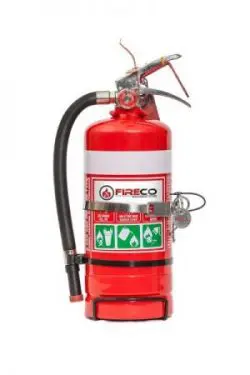
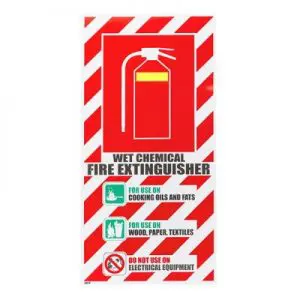
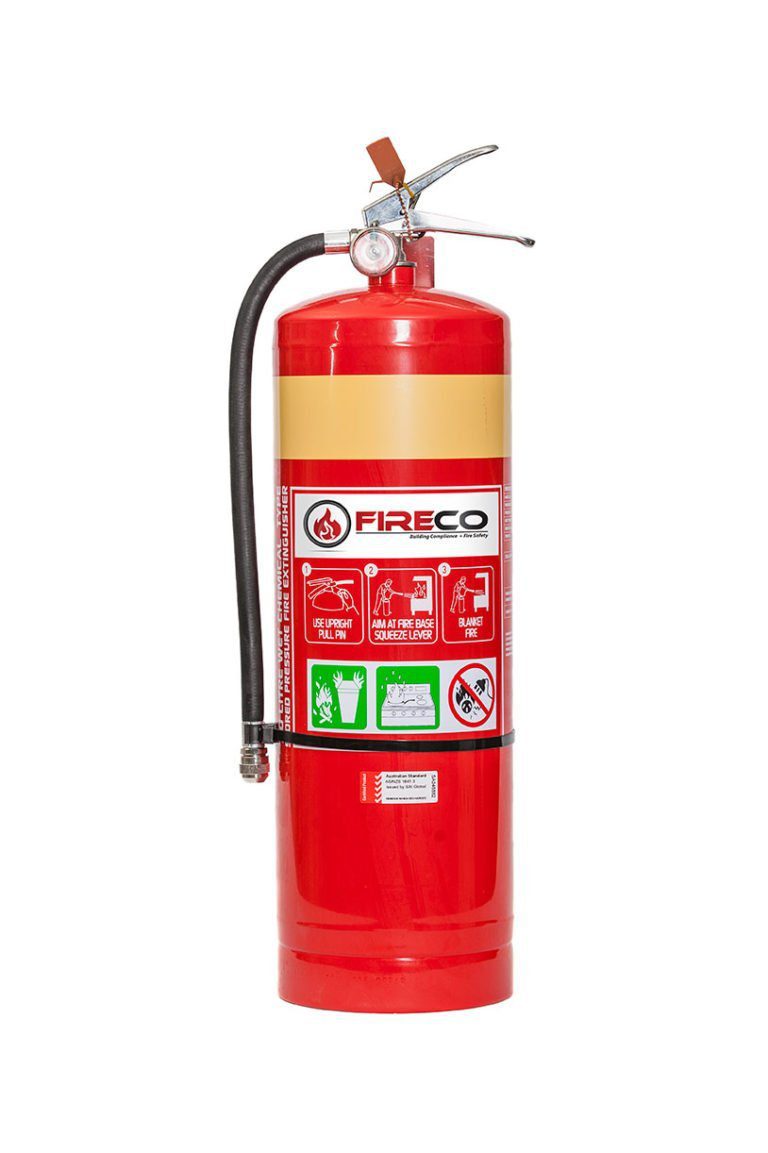
For most workplace lithium-ion battery incidents, the appropriate first-response extinguisher is typically:
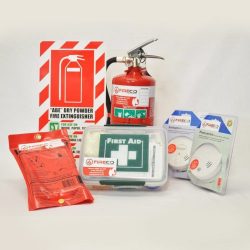
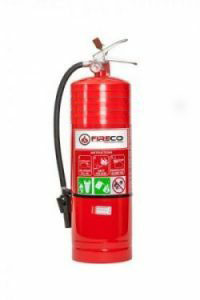
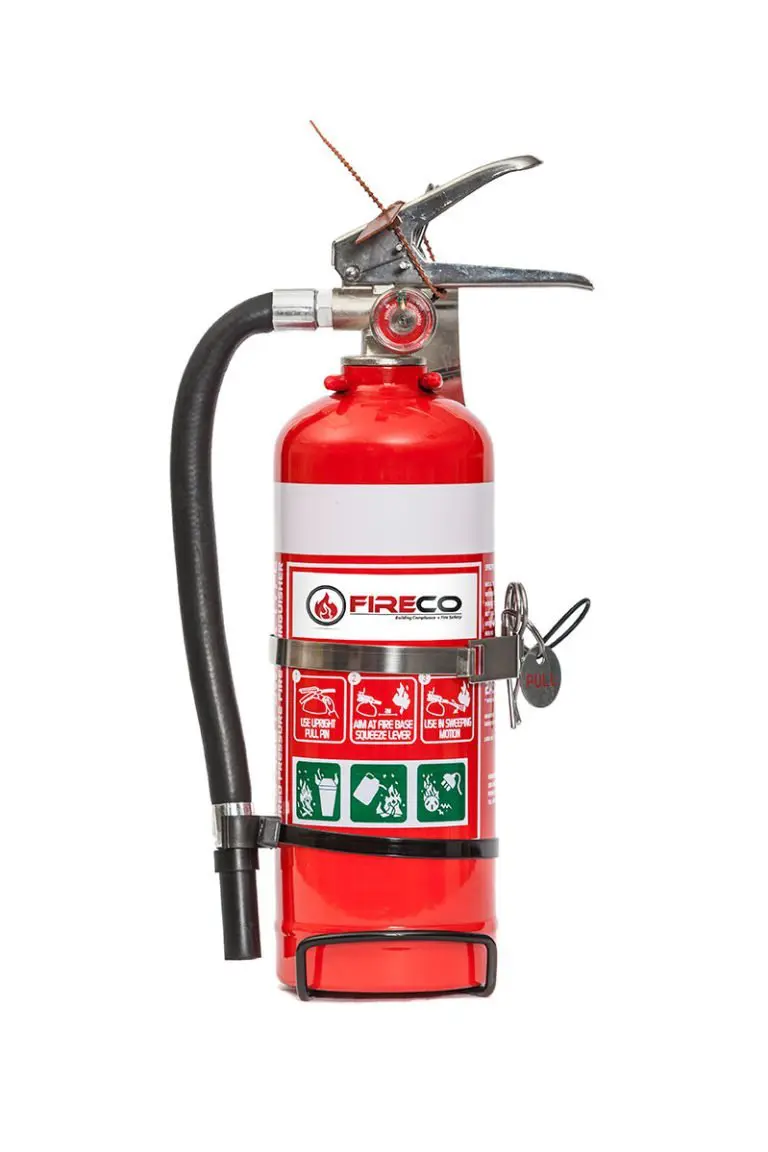
Dry powder (ABE) extinguisher – for surrounding fire control and early intervention
It’s important to note:
- Lithium-ion battery fires are often self-sustaining, meaning extinguishing the flames does not always stop the reaction inside the battery
- The priority is often cooling, containment, and evacuation, not attempting prolonged firefighting
- Water should generally not be used directly on high-voltage or damaged electrical systems unless specified as part of a controlled response plan
Maintenance matters
Even the correct extinguisher is ineffective if not maintained. NZ businesses should make sure:
- Extinguishers are serviced regularly (at least annually, or as per your compliance schedule)
- Extinguishers are correctly located near high-risk areas (charging stations, workshops, storage rooms)
- Staff are trained in when and how to use them safely
- Extinguishers are clearly signed and easily accessible
Fire alarm systems: your first line of defence
Because lithium-ion battery fires develop rapidly and produce toxic smoke, early detection is critical.
A professionally installed fire alarm system plays a vital role in:
- Detecting smoke or heat early in battery charging or storage areas
- Alerting staff before fire emergencies become life-threatening
- Supporting safe evacuation before fire escalation
- Integrating with monitored systems for faster emergency response
What NZ businesses should have in place
To manage lithium-ion risks effectively, Fireco recommends:
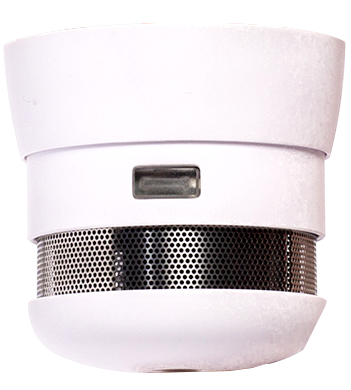
- Smoke and heat alarms installed in all charging and storage zones
- Addressable fire alarm systems for larger or multi-room sites (so the exact location of an incident is identified)
- Regular testing, servicing, and compliance checks by qualified technicians
As lithium-ion battery use increases, some workplaces may also benefit from heightened detection methods in high-risk areas such as:
- Tool storage rooms
- EV or e-bike charging areas
- Server rooms and electrical cupboards
- Workshops and maintenance areas
Practical steps to reduce lithium-ion fire risk
Alongside fire protection systems, prevention is key. NZ businesses should implement:
- Designated charging areas away from exits and combustible materials
- Clear “no overnight charging” policies where appropriate
- Use of manufacturer-approved chargers only
- Regular inspection for swelling, damage, or overheating
- Safe storage in cool, ventilated areas
- Staff training on battery safety and early warning signs
These steps significantly reduce the likelihood of thermal runaway incidents starting in the first place.
How fire alarms and extinguishers can make all the difference
A workplace that is properly protected from lithium-ion battery fire risks relies on a combination of fire safety systems and equipment.
- Fire alarms: Professionally installed and maintained fire alarm systems play a critical role in early detection, particularly in high-risk areas where lithium-ion batteries are charged or stored. This early warning means staff can evacuate safely and helps reduce the risk of fire escalation across the workplace.
- Fire extinguishers: When the right type of fire extinguishers are installed and regularly serviced, businesses are better equipped to respond quickly to early-stage fires and limit potential damage. This should be supported by a scheduled maintenance programme, so all equipment remains compliant and fully operational when it is needed most.
Finally, strong workplace procedures ensure that staff understand how to safely handle, charge, and store lithium-ion batteries, reducing the likelihood of incidents occurring in the first place.
Together, these measures create a significantly safer environment for your staff, protect valuable property, and support ongoing compliance with New Zealand workplace fire safety requirements.
Fireco: Your fire safety partner
We’re here to help keep your business safe from fire risks. Get in touch with the Fireco team for expert alarm installation and fire equipment across Northland and Auckland.