Understand the difference between Fire Safety Plans and BWOF requirements for NZ businesses.
When it comes to commercial fire safety compliance in New Zealand, many business owners and property managers hear terms like Fire Safety Plan, Specified Systems, and BWOF are often (incorrectly!) used interchangeably.
While they’re all about keeping your business safe, they do serve very different purposes, and understanding the difference is essential for keeping your building compliant, protected, and safe.
For businesses across Northland and Auckland, knowing what your responsibilities are can help avoid compliance issues, reduce fire risks, and ensure your building systems work properly when they’re needed most.
What is a Fire Safety Plan?
A Fire Safety Plan is a documented procedure that outlines how occupants should respond in the event of a fire or emergency. It focuses on protecting people inside the building and ensuring a safe evacuation process.
A typical workplace Fire Safety Plan may include:
- Emergency evacuation procedures
- Fire warden responsibilities
- Locations of exits and assembly points
- Procedures for alerting emergency services
- Instructions for using fire extinguishers and fire equipment
- Staff training and evacuation drills
For many Auckland and Northland businesses, a Fire Safety Plan is one of the first foundations of workplace fire safety. It helps ensure everyone in the building understands what to do during an emergency, while also supporting broader health and safety obligations.
However, a Fire Safety Plan alone does not confirm that your building’s fire protection systems are compliant or being properly maintained.
That’s where BWOF requirements come in.
What is a BWOF?
A BWOF, or Building Warrant of Fitness, is an annual statement confirming that a building’s specified systems have been inspected, maintained, and are operating as required under NZ’s Building Act.
Specified systems are the safety systems installed within commercial buildings to help protect occupants in an emergency. These commonly include:
- Fire alarm systems
- Sprinkler systems
- Emergency lighting
- Smoke control systems
- Fire extinguishers and hose reels
- Automatic doors and escape route systems
If your building contains specified systems, you are likely required to hold a current BWOF and display it publicly within the building.
This process involves regular inspections and maintenance carried out by qualified Independent Qualified Persons (IQPs), who verify that systems are functioning correctly throughout the year.
For many property owners, BWOF compliance can become complicated without the right support. Working with Fireco helps simplify the process by ensuring inspections, servicing, documentation, and reporting are managed correctly and on time. Find out more about our BWOF support services across Northland and Auckland here.
The key difference between a Fire Safety Plan and a BWOF
The simplest way to think about it is:
- A Fire Safety Plan focuses on people and procedures
- A BWOF focuses on building systems and compliance
A Fire Safety Plan explains what people should do during an emergency.
A BWOF confirms that the systems designed to protect those people, such as fire alarms, emergency lighting, and fire extinguishers, are being properly maintained and inspected.
Both are important, and most commercial buildings require a combination of strong emergency procedures and ongoing compliance servicing to maintain a safe workplace.
Why fire alarm maintenance matters
One of the most important specified systems in any commercial building is your fire alarm system.
Early detection can make a significant difference during an emergency, particularly in busy workplaces, warehouses, apartment buildings, retail spaces, and industrial facilities throughout Auckland and Northland.
Professional fire alarm installation and ongoing maintenance help ensure:
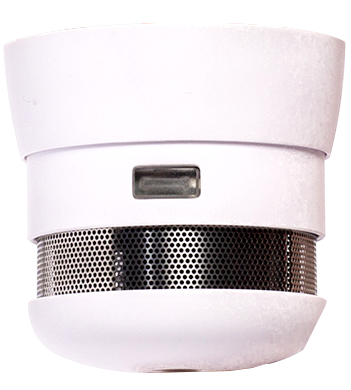
- Smoke and heat detection systems remain compliant
- Faults are identified early
- Emergency alerts function correctly
- Occupants can evacuate safely
- Your building continues to meet BWOF requirements
Without regular servicing, even modern fire alarm systems can develop faults that compromise building safety and compliance. Learn more about fire alarm installation and maintenance with the Fireco team here.
Fire extinguisher servicing is also part of compliance
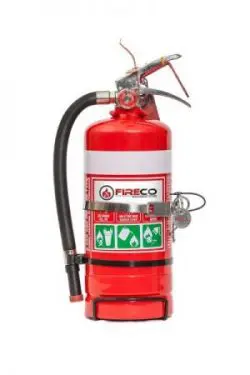
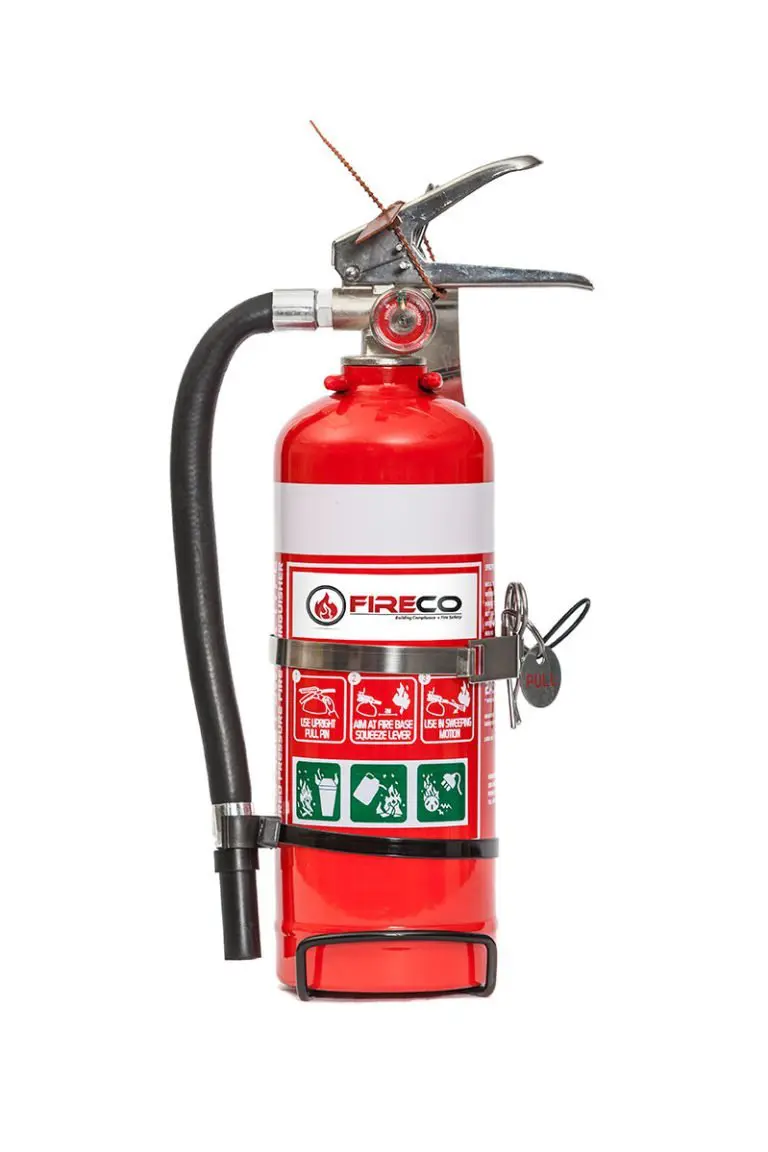
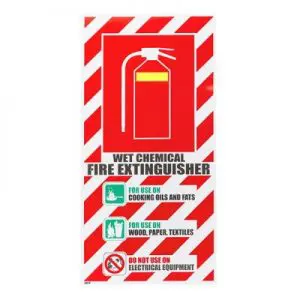
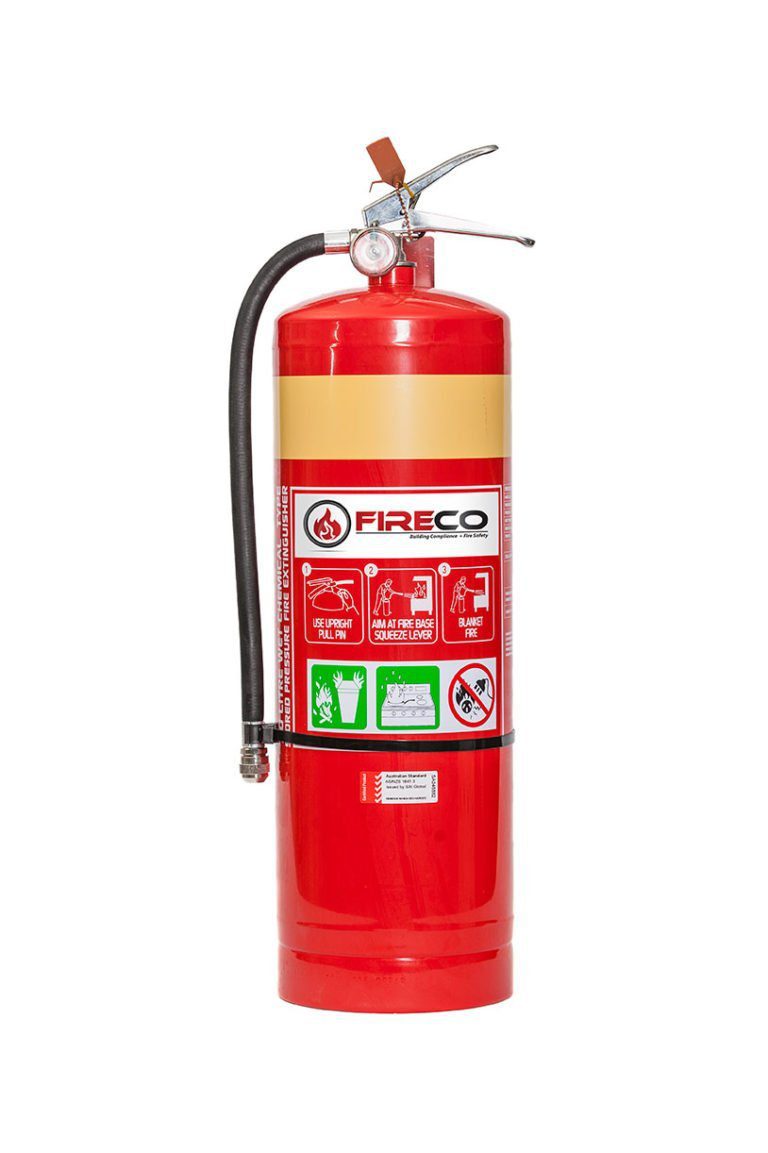
Fire extinguishers are often overlooked until they are needed most. However, they are a critical part of workplace fire safety and form part of many specified system compliance schedules.
Regular fire extinguisher servicing helps ensure:
- Equipment is correctly located
- Pressure levels remain operational
- Units are compliant with NZ standards
- Staff have access to functioning first-response equipment
For businesses throughout Northland and Auckland, routine servicing also provides peace of mind that equipment will work effectively during an emergency. Find out more about Fireco’s fire equipment servicing here.
The role of IQP inspections
Independent Qualified Persons (IQPs) play an essential role in the BWOF process.
IQPs are approved professionals who inspect and verify specified systems to ensure they continue operating according to compliance requirements. These inspections must occur at scheduled intervals throughout the year and form part of the documentation required for BWOF renewal.
Working with experienced fire safety specialists like Fireco who provide IQP inspections, BWOF support, and ongoing maintenance services can make the process far more manageable for property owners and facility managers.
Rather than coordinating multiple contractors, businesses benefit from having one experienced team oversee inspections, testing, reporting, servicing, and compliance scheduling. Find out more about our IQP services for Northland and Auckland here.
Keeping your building compliant and protected
Fire safety compliance is about far more than paperwork. A compliant building is one where systems are maintained properly, emergency procedures are understood, and risks are proactively managed.
For Auckland and Northland businesses, that means ensuring:
- Fire Safety Plans are current and communicated to staff
- Fire alarm systems are professionally installed and maintained
- Fire extinguishers and equipment are regularly serviced
- IQP inspections are completed on schedule
- BWOF documentation is accurate and up to date
When all of these elements work together, businesses create safer environments for staff, customers, tenants, and visitors.
Need help with BWOF compliance or fire safety systems?
Whether you need support with BWOF requirements, IQP inspections, fire alarm installation, or ongoing fire equipment servicing, Fireco helps businesses across Northland and Auckland stay compliant and protected.
From proactive maintenance through to complete fire safety system support, working with experienced professionals helps simplify compliance while improving overall workplace safety. Get in touch with the Fireco team today for expert fire safety support for your business.