What is a Form 12A? How does it fit into the Building Warrant of Fitness process? What do I need an IQP for? Fireco explains
Why Do Specified Systems Matter?
Specified systems are critical safety and operational features built into a building to protect people during emergencies. They are listed on a building’s compliance schedule and typically include:
- Fire alarms and sprinkler systems
- Emergency lighting
- Smoke control systems
- Lifts, escalators, and cable cars
- Fire-rated doors, smoke separations, and automatic doors
Every system on the schedule must be inspected and maintained regularly by an IQP to ensure safety and compliance.
What is a Compliance Schedule?
A compliance schedule is issued by your local council when a building is constructed or altered. It details:
- Which specified systems are installed
- Inspection and maintenance frequency
- Required procedures for each system
- Who is authorised to carry out inspections (IQPs)
The schedule forms the foundation for your Building Warrant of Fitness (BWOF). It ensures all systems function correctly and meet the New Zealand Building Act 2004 standards.
Understanding Form 12A
A Form 12A is the official certificate that confirms each specified system has been inspected and meets safety requirements. Each system requires its own certificate, which must be submitted along with your BWOF to your local council.
Without a valid Form 12A from a registered IQP, you cannot legally issue or display your BWOF.
What is an IQP and Why Are They Important?
An Independent Qualified Person (IQP) is a professional authorised by the council to inspect, maintain, and certify specified systems.
Key points about IQPs:
- They must be independent of the building owner or occupier
- They provide impartial and certified inspections
- They issue the necessary Form 12A certificates
Fireco is a trusted IQP provider across Northland and Auckland, helping businesses manage inspections, paperwork, and ongoing compliance with confidence.
How Form 12A Fits Into the BWOF Process
To legally operate a building with specified systems, a BWOF must be renewed every 12 months. The process includes:
- Form 12 – a declaration completed by the building owner or agent
- Form 12A certificates – completed by IQPs for each specified system
Once you have both, your BWOF can be issued and displayed, confirming your building meets all safety requirements.
How Fireco Makes Compliance Simple
Managing compliance schedules, inspections, and certificates can feel overwhelming, but it doesn’t have to. Fireco is here to help with:
- Professional IQP inspections
- Issuing of Form 12A certificates
- Full BWOF support and management
- Local expertise and guidance for councils in Northland and Auckland
With Fireco, you can stay compliant, ensure safety, and avoid any issues with your BWOF obligations.
Need Form 12A help, an IQP, or assistance managing your BWOF? Contact Fireco today.
What Does “Servicing” A Fire Extinguisher Actually Mean?
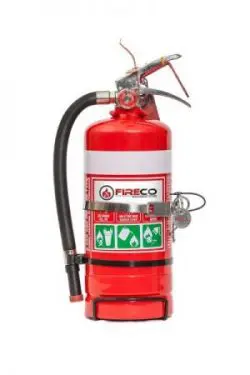
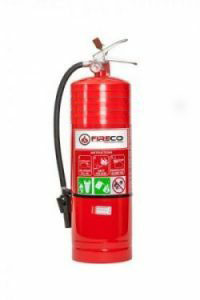
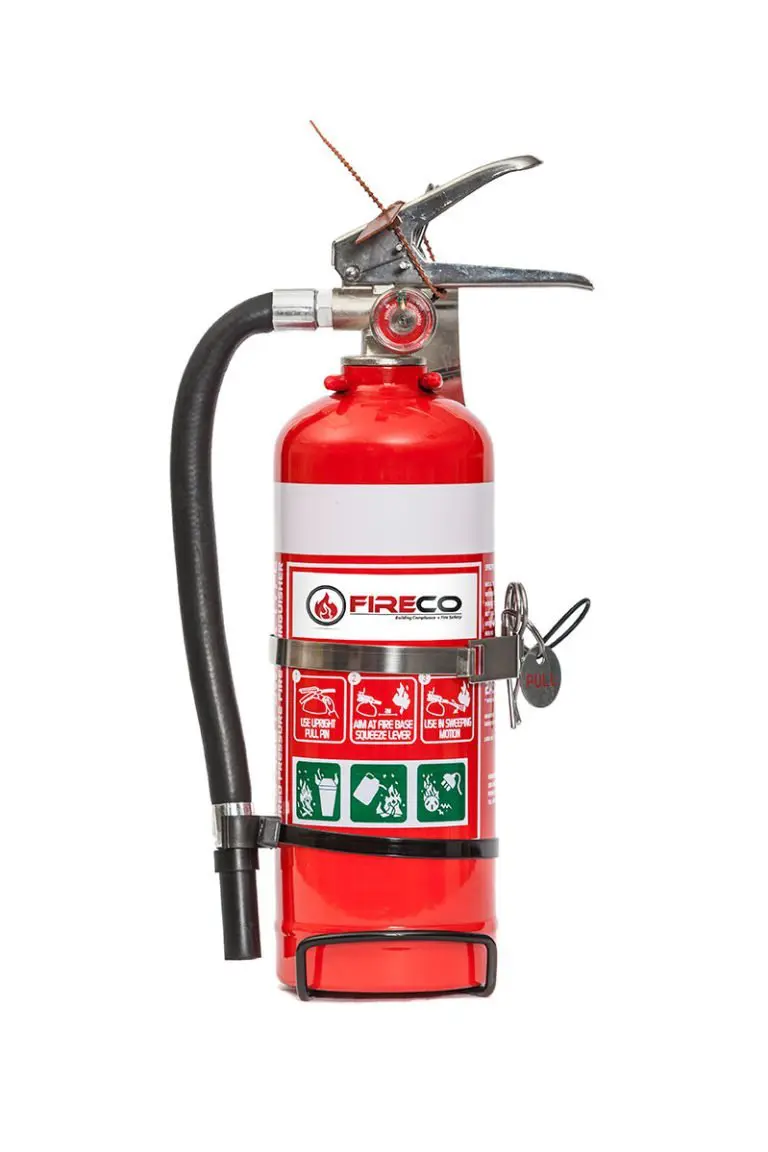
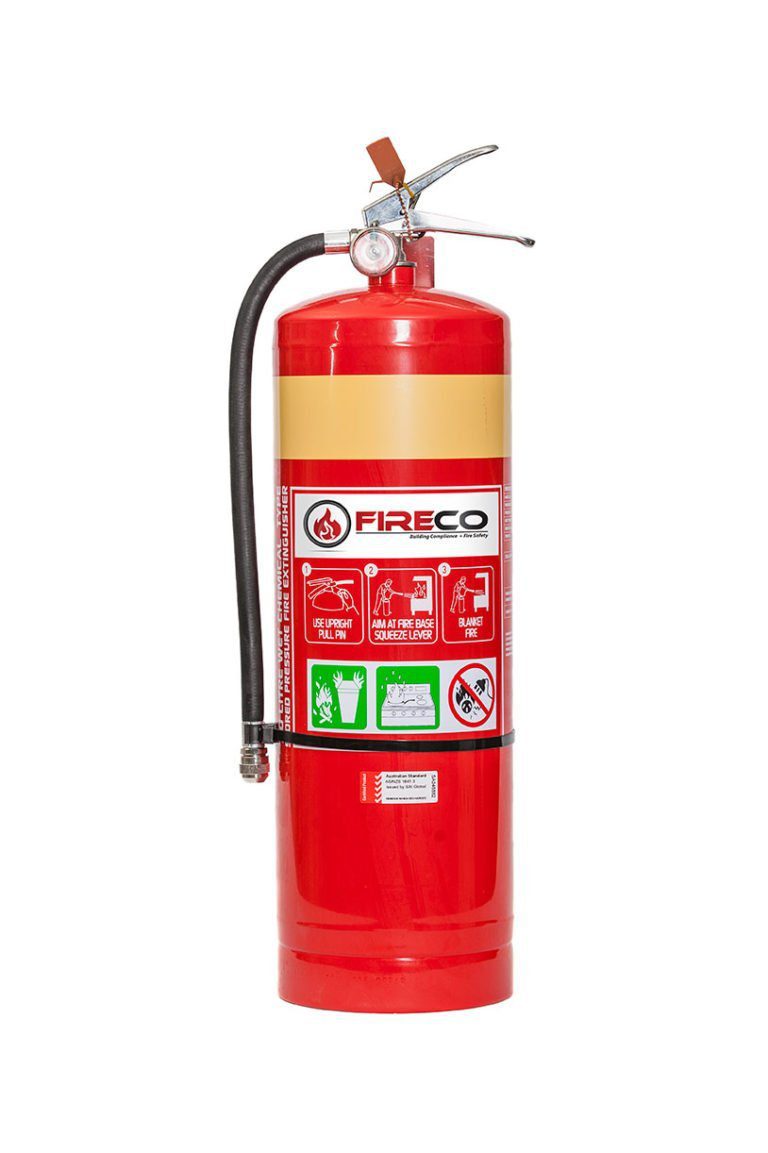
Fire extinguisher servicing covers a range of maintenance and checks, performed by a fire safety professional like Fireco. This includes:
- Inspection of the extinguisher’s physical condition
- Checking pressure levels and functional components
- Refilling and recharging discharged extinguishers
- Full internal checks and pressure testing of cylinders
The purpose of regular fire extinguisher servicing is to identify and correct faults before they hinder performance – meaning that your extinguisher will operate properly in an emergency, as well as keep you compliant with legal and safety requirements.
Fire Extinguisher Servicing Frequency NZ: What the Rules Say
- Annual Professional Service (Minimum Requirement)
In New Zealand, fire extinguishers must be professionally inspected and serviced at least once every 12 months by a qualified technician. This annual service is the cornerstone of fire extinguisher maintenance and part of staying compliant with NZ fire safety standards.
This annual servicing includes checking the unit’s:
- Pressure gauge or weight
- Hose and nozzle condition
- Mounting location and signage
- Overall integrity with maintenance tagging and record keeping
It’s a requirement whether your extinguishers are in a commercial building, workplace or public space.
Tip: Even if the extinguisher hasn’t been used, it still needs servicing annually because ageing, corrosion or unnoticed faults can compromise performance.
2. More Frequent Checks in Hostile or High‑Risk Environments
If your extinguisher is in a harsh environment, for example:
- Outdoors exposed to sunlight, rain, salt air or extreme temperatures
- Corrosive industrial settings
- Areas with heavy dust or vibration
then the recommended professional servicing frequency increases to every six months.
These environments accelerate wear and tear, so more frequent inspection helps ensure reliability and compliance.
3. Monthly Quick Checks (Self‑Managed)
In addition to professional servicing, businesses should carry out monthly visual checks to catch obvious issues between annual services. These quick checks can include:
- Confirming the extinguisher is in its correct location
- Ensuring the pressure gauge is in the correct range
- Checking seals and tags are intact
- Making sure there’s no physical damage
- Keeping it in an easy-to-access spot
Monthly checks aren’t a substitute for professional servicing, but they help maintain safety between scheduled visits.
4. 3‑Year Extended Service for Specific Types
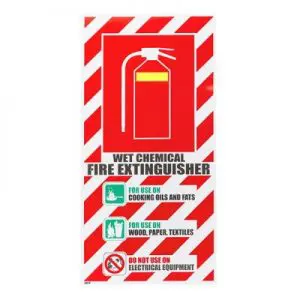
Certain fire extinguisher types, such as wet chemical and foam extinguishers, require a more thorough service every three years. This often includes a partial discharge, internal inspection and recharge.
5. Year Hydrostatic Pressure Testing
All fire extinguishers are pressurised vessels, and under New Zealand safety standards they require a pressure test every five years. This hydrostatic testing verifies that the cylinder can safely withstand pressure and remain functional.
Hydrostatic testing is typically done by trained technicians and includes removing the extinguisher’s contents before the internal inspection.
Why You Shouldn’t Skip Scheduled Servicing
Failing to maintain your fire extinguishers on the correct schedule can breach fire safety compliance NZ laws that apply to workplaces and public buildings – not to mention it’s just unsafe for your building’s occupants.
Poorly maintained extinguishers may:
- Fail to discharge during a fire
- Have blocked nozzles or incorrect pressure
- Develop corrosion or other hidden defects
- Lead to increased risk of injury or property loss
Maintaining servicing frequency helps protect people, property and your duty‑of‑care obligations.
Fire Safety Compliance NZ: Your Obligations
Fire safety compliance in New Zealand integrates several frameworks, including:
- NZS 4503:2005 – Covers inspection, maintenance and testing of portable fire‑fighting equipment
- Fire and Emergency New Zealand Regulations 2018 – Reinforces inspection frequencies for fire protection systems
- Building compliance requirements that often tie into annual safety assessments and compliance audits, such as your BWOF
Meeting these inspection and servicing requirements helps demonstrate that you’ve taken reasonable steps in fire safety management.
Fire Extinguishers – Staying Safe and Compliant Starts with Regular Maintenance
Keeping fire extinguishers serviced on the correct schedule is an essential part of fire safety compliance that all NZ businesses must follow.
Whether it’s your workplace, rental property or commercial building, understanding fire extinguisher servicing frequency NZ ensures your equipment will work when you need it, helps protect life and property, and keeps you on the right side of the law.
A proactive fire safety plan is one of the best investments you can make. If you’re unsure about your servicing schedule or want help managing it, talk to the Fireco team.
Fire Extinguishers – Staying Safe and Compliant Starts with Regular Maintenance
Keeping fire extinguishers serviced on the correct schedule is an essential part of fire safety compliance that all NZ businesses must follow.
Whether it’s your workplace, rental property or commercial building, understanding fire extinguisher servicing frequency NZ ensures your equipment will work when you need it, helps protect life and property, and keeps you on the right side of the law.
A proactive fire safety plan is one of the best investments you can make. If you’re unsure about your servicing schedule or want help managing it, talk to the Fireco team.